Posted on

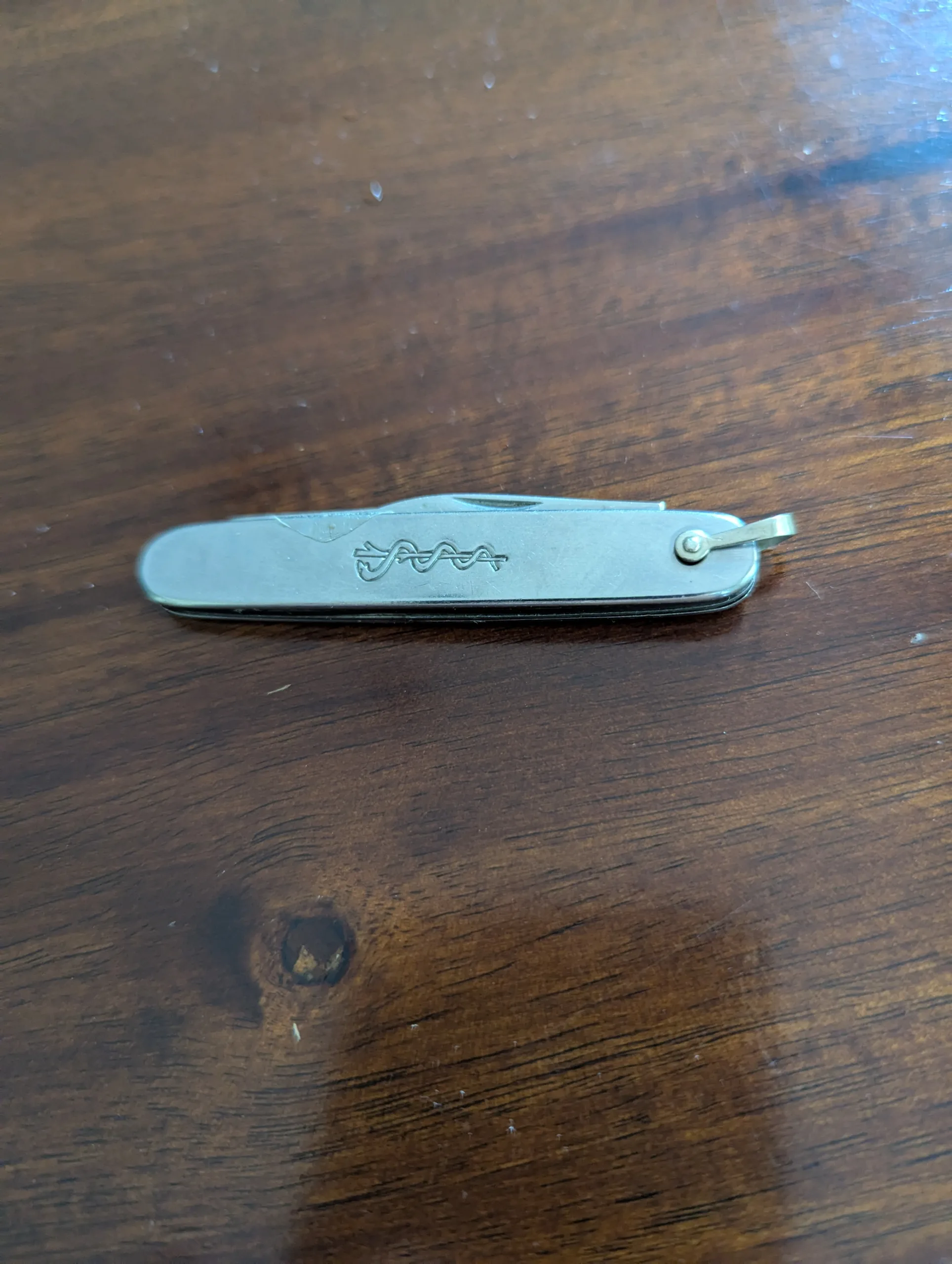
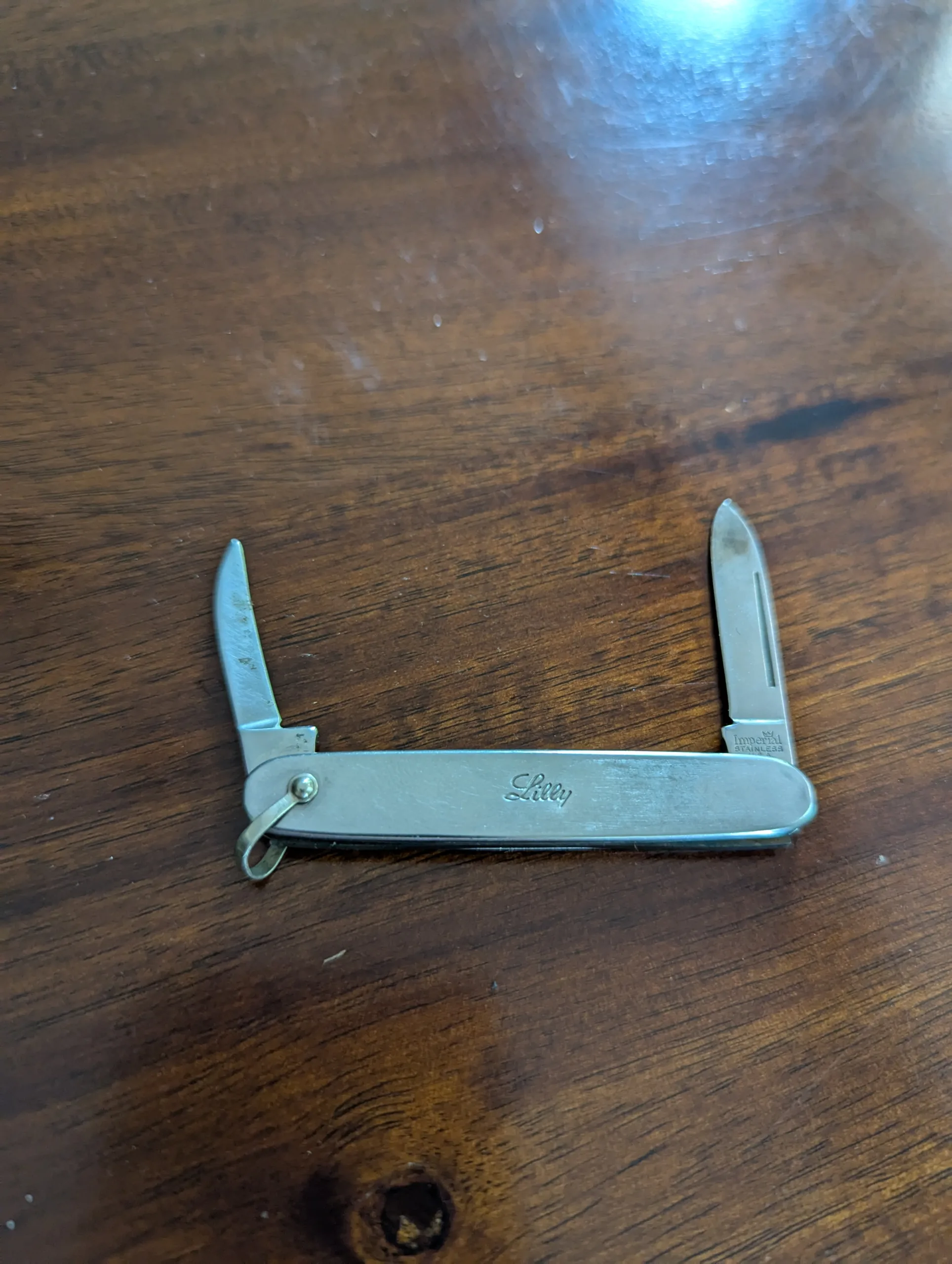
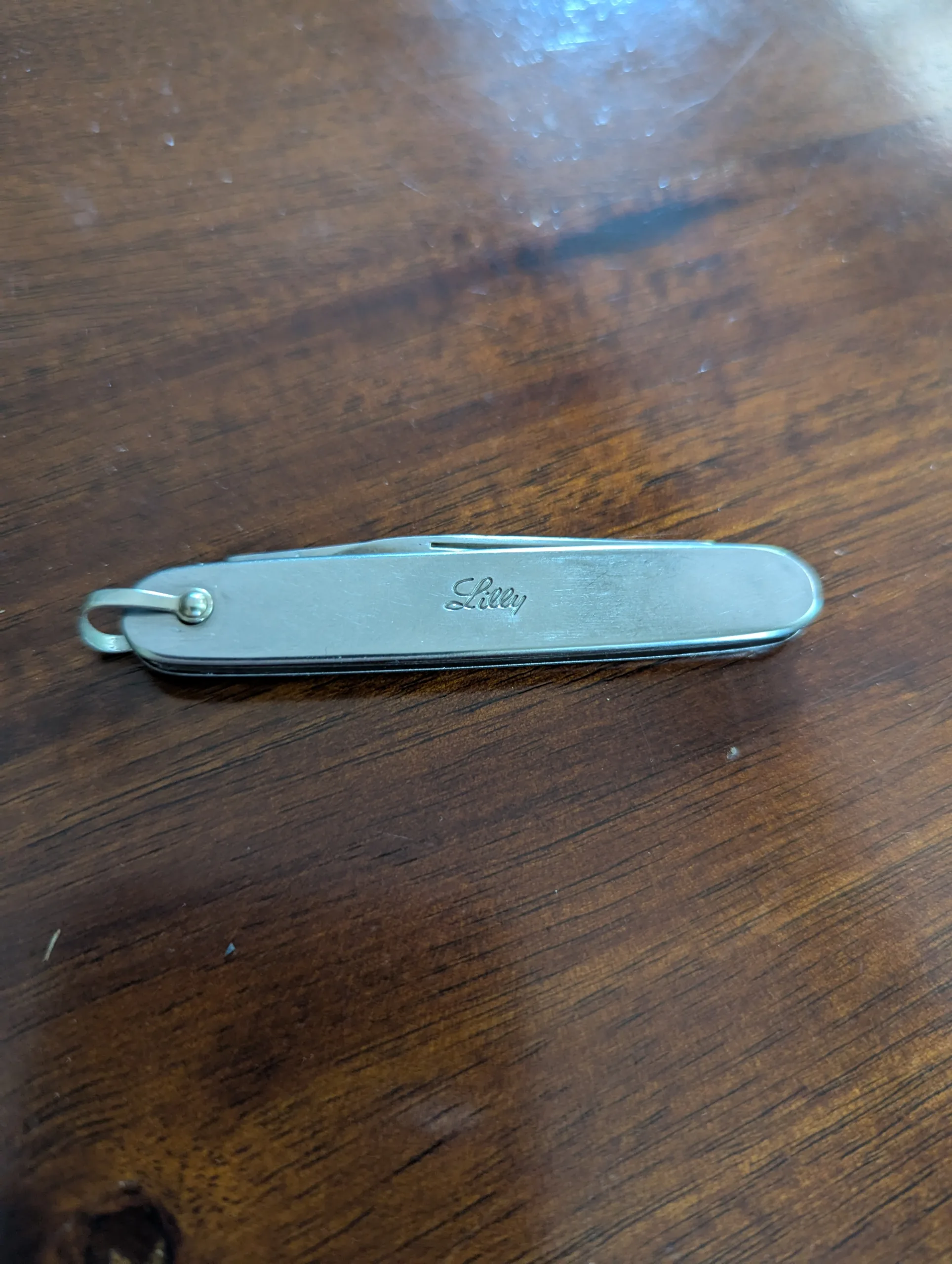
Lilly Imperial Advertising Gentleman’s Folder Pocket Knife

Collecting Vintage Lilly Pocket Knives


The Lilly Imperial Advertising Gentleman’s Folder Pocket Knife is a collectible folding knife made in the United States between 1946-1956. It features a stainless steel blade with a drop point and pen blade type, measuring 1 3/8″ and 1 3/16″ respectively. The knife has an ambidextrous opening mechanism with a manual manual lock type, and a silver color stainless steel handle. This original two-blade pocketknife is part of the Skyline product line and is a unique piece for collectors of modern folding knives.

Quick Answer: The Lilly Imperial Advertising Gentleman’s Folder is a mid-20th century collectible pocket knife made by Imperial Knife Company, often featuring advertising engravings (like the Lilly pharmaceutical caduceus logo). These knives are valued by collectors for their vintage design, advertising tie-in, and Imperial’s historical role in American cutlery.

Overview of the Knife
• Maker: Imperial Knife Company, Providence, Rhode Island.
• Era: Circa 1946–1956, based on tang stamps and advertising style.
• Type: Gentleman’s folder pocket knife — small, slim, designed for everyday carry.
• Advertising: Features Lilly pharmaceutical branding with a caduceus symbol, making it both a knife collectible and advertising memorabilia.
• Condition: Typically found used, with stainless steel blades and celluloid or metal handles.

Key Features
• Blades:
• Drop point and pen blade styles.
• Sizes around 1 3/8″ and 1 3/16″.
• Opening Mechanism: Manual, non-locking slip joint.
• Handle: Often silver-tone with advertising imprint.
• Dexterity: Ambidextrous use.
• Edge: Plain edge, suitable for light cutting tasks.

About Imperial Knife Company
• Founded in 1916, Imperial started as a maker of watch chain knives before expanding into pocket knives.
• Known for affordable, mass-produced knives that were widely distributed in the U.S. mid-century.
• Imperial merged with Schrade in later years, but its vintage advertising knives remain popular among collectors.

Collectibility & Value
• Advertising knives are highly collectible because they combine cutlery history with corporate branding.
• Prices vary depending on condition:
• Used examples often sell in the $20–$40 range.
• Mint or rare advertising variants can fetch higher prices.
• Collectors value them for:
• Historical branding (Eli Lilly pharmaceutical tie-in).
• Mid-century American knife craftsmanship.
• Small size and gentleman’s style, which makes them unique compared to larger utility knives.

Buying & Selling Notes
• Found on platforms like eBay and specialty knife trading sites.
• Condition is critical: scratches, blade wear, and handle cracks affect value.
• Many sellers highlight returns accepted and authenticity guarantees for peace of mind.

Why Collect?
• Cross-collectible appeal: Knife collectors, advertising memorabilia collectors, and pharmaceutical history enthusiasts all find value.
• Conversation piece: Combines practical design with corporate history.
• Affordable entry point: Compared to rare Case or Remington knives, Imperial advertising folders are budget-friendly collectibles.

In summary: The Used Original Lilly Imperial Advertising Gentleman’s Folder is a mid-20th century pocket knife made by Imperial, notable for its Eli Lilly branding and slim gentleman’s design. It’s a modestly priced collectible (around $20–$40) that appeals to both knife enthusiasts and advertising memorabilia collectors.
Sources: eBay listing of Lilly Imperial Gentleman’s Folder Imperial Knives history – All About Pocket Knives Knife Trading Post – Vintage knives marketplace
 

Posted on

Vintage Starr X Royal Crown Cola Bottle Opener

If you enjoy collecting nice vintage inexpensive advertising barware then you may think this is a good a nice find as well.  I’m thinking early 1970’s pop bottle opener at a garage sale. Americana—perfect for collectors or anyone who appreciates retro barware. One example I found is a metal opener stamped with “ROYAL CROWN COLA” and “BEST BY TASTE TEST” on both sides. It’s about 3.74 inches long and shows some wear from use, but no rust—just the kind of patina that gives it character.

If you’re looking to buy, prices vary depending on condition and rarity. Some listings go for as little as $5, while others—especially unused ones with original screws or packaging—can fetch up to $40 or more.

Are you thinking of adding one to your collection, or do you already have one tucked away in a drawer somewhere? I’d love to hear the story behind it. Vintage Royal Crown Cola bottle openers are more than just handy tools—they’re nostalgic artifacts from a golden era of American soda culture. These openers were often distributed as promotional items by RC Cola, especially during the mid-20th century when the brand was competing with giants like Coca-Cola and Pepsi. Many were made of sturdy metal and stamped with slogans like “Best by Taste-Test”, reflecting the brand’s confident marketing style.

Collectors value these openers for their historical charm and branding. The most sought-after examples tend to be:

  • Early models from the 1940s–50s, especially those with embossed lettering or unique shapes.
  • Openers with original packaging or mounting screws, which are rarer.
  • Versions tied to specific regional bottlers, which can be harder to find.

In terms of value, prices typically range from $5 to $40, depending on condition, rarity, and provenance. A well-preserved piece with crisp lettering and minimal rust can fetch more, especially if it’s part of a larger RC Cola memorabilia collection.

Do you have one in your possession, or are you thinking of starting a collection? I’d love to help you dig deeper into its story.Some of the rarest Royal Crown Cola bottle openers are prized for their unique branding, limited production, or unusual design features. Here are a few standout examples collectors keep an eye out for:

  • Starr X wall-mounted openers from the 1940s–1970s, especially those marked “Drink Royal Crown Cola” and made by Brown Co. in the USA. These often have a cast iron build and bold raised lettering.
  • NOS (New Old Stock) openers with original screws and packaging, particularly those with a crown logo above the name. These are harder to find in pristine condition and can fetch higher prices—up to $40 or more.
  • Wire-style openers with slogans like “Go Fresher, Go RC” are less common and appeal to collectors of advertising novelties.
  • Wood-handled openers or those with unusual shapes or regional bottler markings also tend to be rarer and more valuable.

One particularly rare listing even described a hard-to-find RC Cola opener with the full brand name clearly stamped—something not always present on generic openers.


Posted on

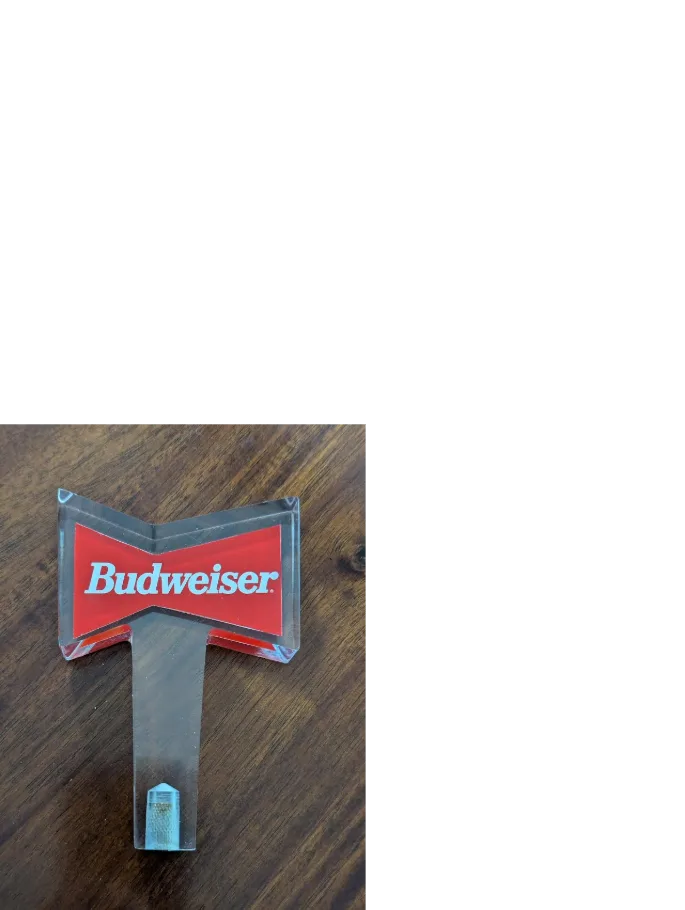
Vintage Budweiser Beer Tap

Vintage beer taps are fun collectibles that cross over advertising collectibles, history, and the culture of beer. Here’s a detailed overview:


1. What Are Vintage Beer Taps?

Vintage beer taps, also known as beer tap handles or faucet handles, are the decorative levers attached to beer faucets used to pour draft beer. Collectors often seek out older or discontinued models for their unique designs and historical value.


2. Key Features

  • Materials: Early taps were often made from wood, porcelain, ceramic, or metal. Later models incorporated plastic and resin.
  • Designs: Ranged from simple branded knobs to elaborate sculptures (e.g., animals, mascots, logos).
  • Branding: Most feature brewery logos or beer names, making them excellent advertising tools.
  • Size: Typically 4–12 inches tall, but some novelty taps can be much larger.

3. Historical Context

  • Pre-Prohibition Era (before 1920): Taps were mostly utilitarian, often made of wood or brass.
  • Post-Prohibition (1933–1950s): Breweries began branding taps more aggressively.
  • 1960s–1980s: Explosion of creativity in design, especially with the rise of regional breweries.
  • Craft Beer Boom (1990s–2000s): Highly artistic and collectible tap handles became common.

4. Collecting Vintage Beer Taps

  • Popular Brands: Budweiser, Schlitz, Pabst, Miller, Coors, and regional craft breweries.
  • Rarity & Value: Taps from defunct breweries or limited editions can be worth hundreds of dollars.
  • Condition Matters: Chips, cracks, or missing parts can significantly reduce value.
  • Authentication: Look for maker’s marks, serial numbers, or original packaging.

5. Where to Find Them

  • Antique stores
  • Online marketplaces (eBay, Etsy)
  • Breweriana shows and conventions
  • Brewery auctions or estate sales

6. Display & Care

  • Display Ideas: Wall-mounted racks, shadow boxes, or custom stands.
  • Maintenance: Clean gently with a damp cloth; avoid harsh chemicals that can damage paint or decals.

Would you like help identifying a specific vintage beer tap, or maybe you’d like a visual guide or even a custom art piece inspired by vintage taps?

Vintage Budweiser beer taps are a fascinating niche for collectors and beer memorabilia enthusiasts. Here’s a detailed look at their history, styles, and collector value:

🏺 History & Background

Budweiser, introduced in 1876 by Adolphus Busch, became one of America’s most iconic beer brands. Over the decades, Budweiser has produced a wide range of branded merchandise, including beer tap handles, which were used in bars and pubs to dispense draft beer.

🍺 Design Evolution

Budweiser tap handles have evolved significantly over time. Here are some notable styles:

  • Lucite Tap Handles (1980s–1990s): These are among the most collectible. They often feature embedded logos, sports team branding (like NBA partnerships), or novelty shapes like billiard balls
  • Wooden and Ceramic Handles (Mid-20th Century): Older models were often made from wood or ceramic, with hand-painted logos or decals.
  • Themed Handles: Budweiser has released special edition handles for events like the Super Bowl, holidays, or collaborations with sports teams.
  • Modern Resin and Plastic Designs: These are more common today and often mass-produced, but some limited editions still hold collector value.

💰 Collector Value

The value of vintage Budweiser tap handles depends on several factors:

  • Rarity: Limited edition or discontinued designs (e.g., NBA team handles) are more valuable.
  • Condition: Handles in mint or near-mint condition fetch higher prices.
  • Age: Older handles, especially pre-1980s, are generally more sought after.
  • Design Uniqueness: Novelty shapes or intricate designs tend to be more collectible.

You can find vintage Budweiser tap handles on platforms like eBay, where prices range from $20 to several hundred dollars depending on the piece

Posted on

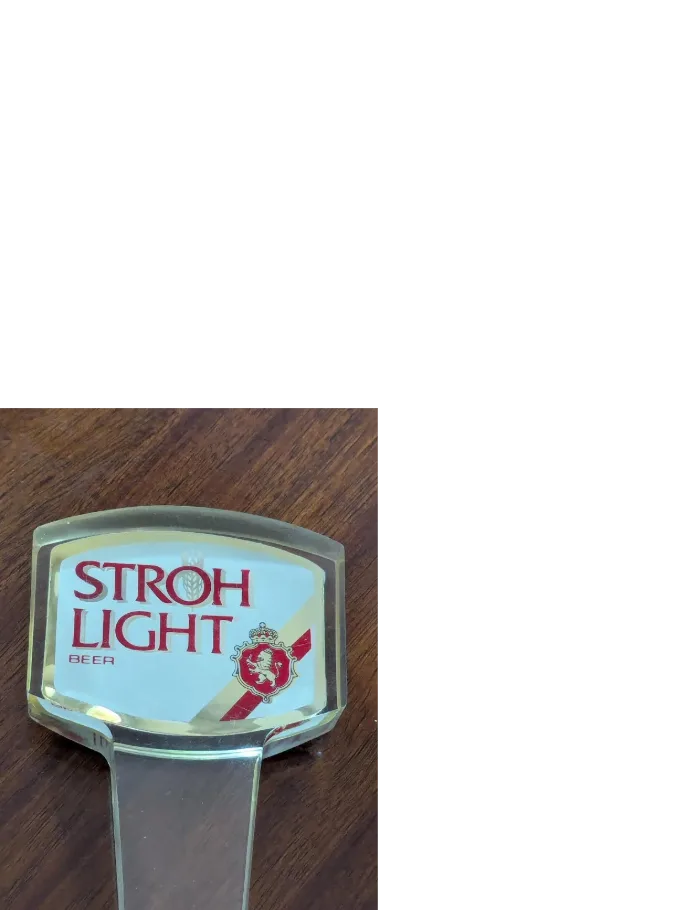
Vintage Stroh’s Light Tap Handle

Vintage Strogh’s Light Tap Handle

Vintage Stroh’s Light Beer tap handles are collectible items that reflect both the branding history of the Stroh Brewery Company and the broader culture of beer memorabilia. Here’s a breakdown of what makes them interesting and collectible:

🏺 History & Design

  • Stroh Brewery Company, founded in 1850 in Detroit, Michigan, became one of the largest American breweries by the mid-20th century.
  • Tap handles became widely used after Prohibition ended in 1933, when regulations required beer taps to be clearly marked with the brand
  • Stroh’s Light was introduced as a lighter alternative to their flagship lager, and its tap handles often featured:
    • Wooden or resin bodies
    • Classic Stroh’s logo with red, white, and blue color schemes
    • Sleek or ornate shapes, depending on the era

🧭 Types & Variants

  • Ball knobs: Common in the 1930s–1950s, small and round, often metal or resin.
  • Figural handles: Later models sometimes featured more elaborate shapes or branding elements.
  • Wooden handles: Popular in the 1970s–1980s, often with printed or embedded logos

💰 Value & Collectibility

  • Prices vary based on age, condition, rarity, and design:
    • Common wooden Stroh’s Light tap handles can sell for $8–$20
    • Rare or early versions, especially in pristine condition, may fetch $50 or more.
    • Complete collections or unique designs (e.g., limited editions) can be more valuable

🎯 Collector Tips

  • Look for original logosminimal wear, and manufacturer markings.
  • Tap handles with unique shapes or historical branding tend to be more desirable.
  • Join collector communities or forums like those on Collectors Weekly or BCCA (Brewery Collectibles Club of America) for trading and valuation advice.